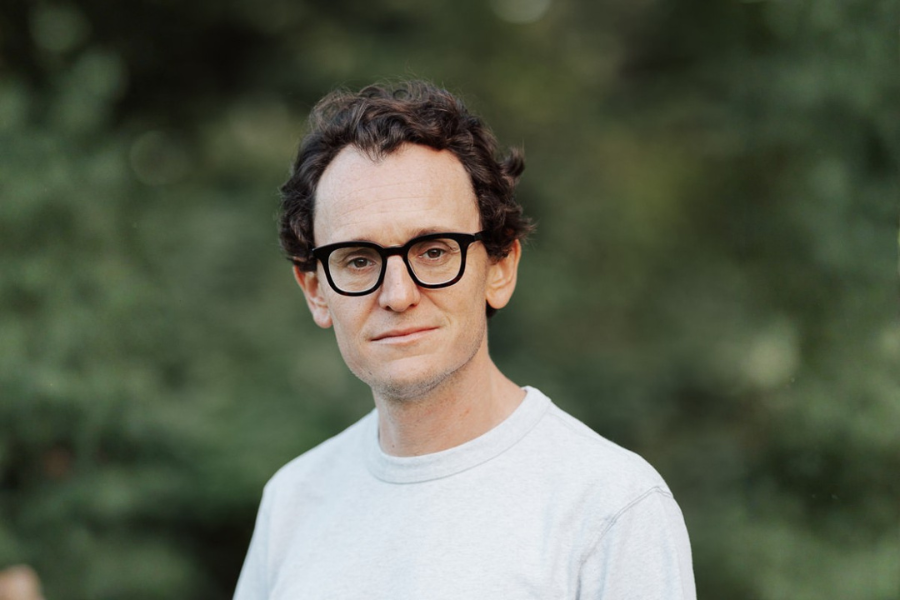
Germany’s mortgage market is at a turning point, and our CEO & Co‑founder, Geert van Kerckhoven, was invited by Springer Professional to explain what this means for lenders, borrowers, and for us as a technology partner. He points out that mortgage lending to private households in Germany rose by almost 34% between January and May 2025 compared to the previous year, even as financing costs and regulatory complexity increased. In this environment, we see a clear shift towards flexible mortgage solutions, AI‑supported decisioning, and a new standard of “digital speed with personal advice” that aligns closely with Oper’s mission.
In the interview, Geert outlines why many banks still struggle to offer a truly digital mortgage journey: reliance on paper documents, inconsistent use of electronic signatures, fragmented processes between brokers, banks, and notaries, and legacy IT that forces experts to spend time on manual data entry instead of advice. We position our technology as an orchestration layer that connects all parties, data sources, and decision rules on a single platform—standardising data flows, automating routine checks, and keeping experts focused on risk assessment and client guidance. Geert also emphasizes intelligent automation that is fully transparent and auditable, with every decision time‑stamped, sourced, and traceable, and the option for a “four‑eyes” principle where human expertise and automation work hand in hand. By encoding credit policies into repeatable rules, we help banks achieve consistent, faster decisions, while making compliance and audits more factual, transparent, and efficient—always anchored in strict data protection and “security by design.”
Looking ahead, we share Geert’s view that mortgage lending will become “digital‑first, hybrid‑enabled” over the next five to ten years: most applications processed digitally and in real time, with seamless access to human advisors for complex or high‑touch moments. Unified data and rule platforms, integrated identity and signature flows, and electronic interfaces to land registries and notaries will become standard, leading to shorter turnaround times, higher conversion, stronger compliance, and a significantly better customer experience. This coverage underscores our role in helping German lenders navigate that transition and confirms that the future of mortgages will be built on exactly the type of orchestration and automation capabilities we’re developing at Oper.
.png)